How to choose a box mod for big clouds
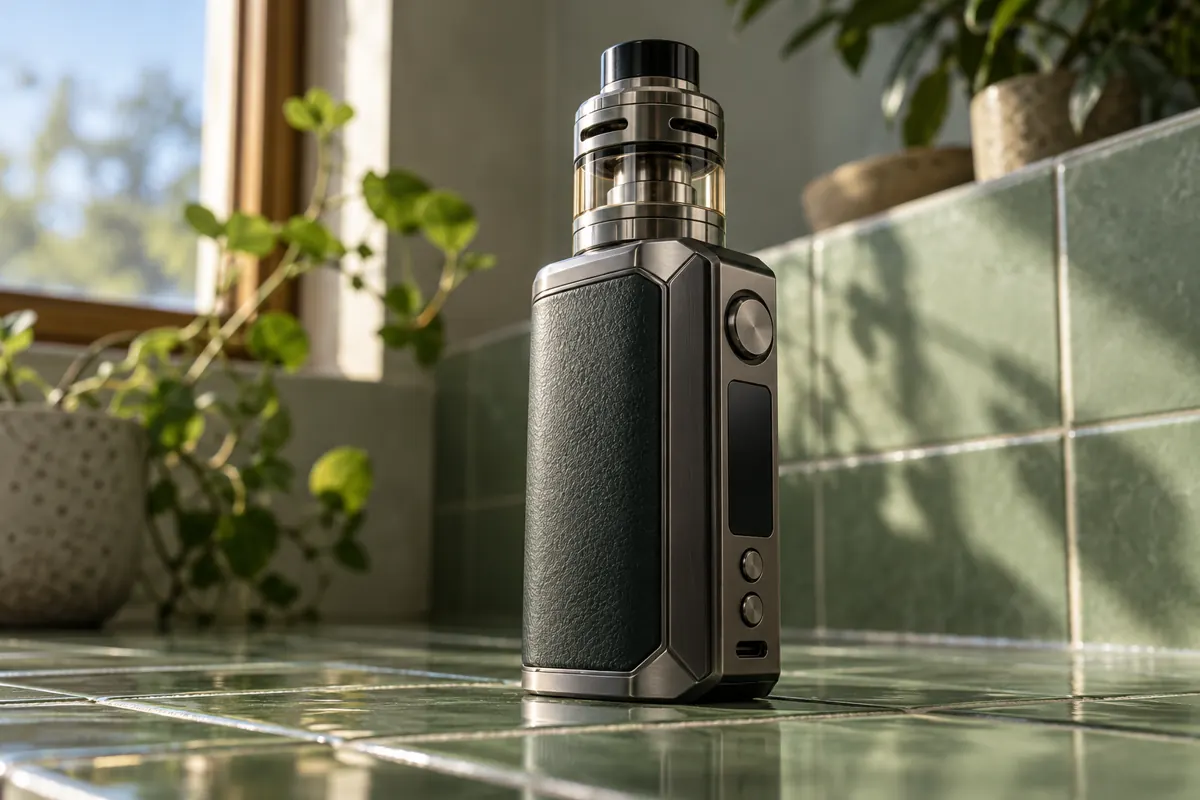
At the centre of a cloud focused setup, the mod sets the terms. It supplies the power, it accepts the low resistance builds and it holds the protections that stand between a demanding coil and a pair of lithium ion cells. Choosing a box mod in a British shop means picking through a catalogue where almost every device advertises a large number on the front. This guide explains which criteria genuinely separate one device from another, and which are marketing.
What the right box mod depends on
The honest starting point is that there is no best device in the abstract, only a device that suits the atomiser you intend to run on it. A box mod is judged on four things: the power range it covers, the number and type of cells it takes, how it feels in the hand across a whole day, and how well it is built.
The build you are aiming for decides how much of that matters. A single factory mesh coil in a sub-ohm tank asks far less of a device than a large rebuildable deck, and paying for headroom you will never touch buys nothing except weight in the pocket.
Runtime is the criterion most often underestimated. Direct to lung vaping at sustained output empties cells quickly, and a device that cannot get you through a working day will annoy you long after the specification sheet has been forgotten.
Why the headline wattage tells you so little
Every listing leads with a maximum wattage, and it is close to useless as a comparison tool. A regulated device draws current from its cells and converts it, so the constraint in the chain is never the printed ceiling on the chassis. It is what the cells inside can supply, continuously, within the limits their own manufacturer publishes.
That is why we treat the maximum figure as headroom rather than as a target. A device operating well below its ceiling runs cooler and regulates more cleanly than one asked to work flat out, and that is the whole benefit of a generous range. The reasoning is worked through in detail in our technical read of the Geek Vape T200.
Vapour volume, meanwhile, comes from the coil, the surface area heated, the airflow and the liquid. It does not come from a number printed on a box. Two devices set to the same output on the same atomiser produce very nearly the same result.
Single or dual cell, the choice that really counts
This is the fork in the road. A single cell device is compact, light and easy to carry, and it suits a modest sub-ohm tank used at moderate output. It also asks a great deal of one cell, and it runs out of runtime first.
A dual cell device is bulkier and heavier, spreads the demand across two cells and lasts substantially longer between charges. For direct lung vaping it is the format most British sub-ohm vapers settle on, which is why the shelves at specialist shops are dominated by dual cell chassis.
Integrated battery devices are the third option and they behave differently again. Nothing is removable, charging happens over USB, and there is no cell handling to get wrong. The trade is that runtime is fixed for the life of the device and cannot be extended by carrying a spare pair.
Whichever format you choose, the cells are the part that carries the risk, and the practice around them is covered in our guide to sub-ohm vaping.
Chassis, screen and the things you touch every day
A device gets picked up dozens of times a day, and ergonomics outlast specifications. A screen you can read outdoors in poor British light, buttons with a definite action rather than a vague one, and a battery door that closes firmly all matter more than a mode list nobody uses.
Durability is worth paying attention to here specifically. Ingress ratings against water and dust have become common on rugged ranges, and they are genuinely useful if the device lives in a coat pocket through a wet commute rather than on a desk.
Weight and thickness deserve a moment of honesty before you order. A dual cell chassis with a large screen is a substantial object, and plenty of vapers discover after the fact that they have bought a desk device rather than a pocket one.
Devices you will see on British shelves
Two families come up again and again in UK buying guides and reviews, because they combine dual cell formats with rugged construction and have been iterated across several generations.
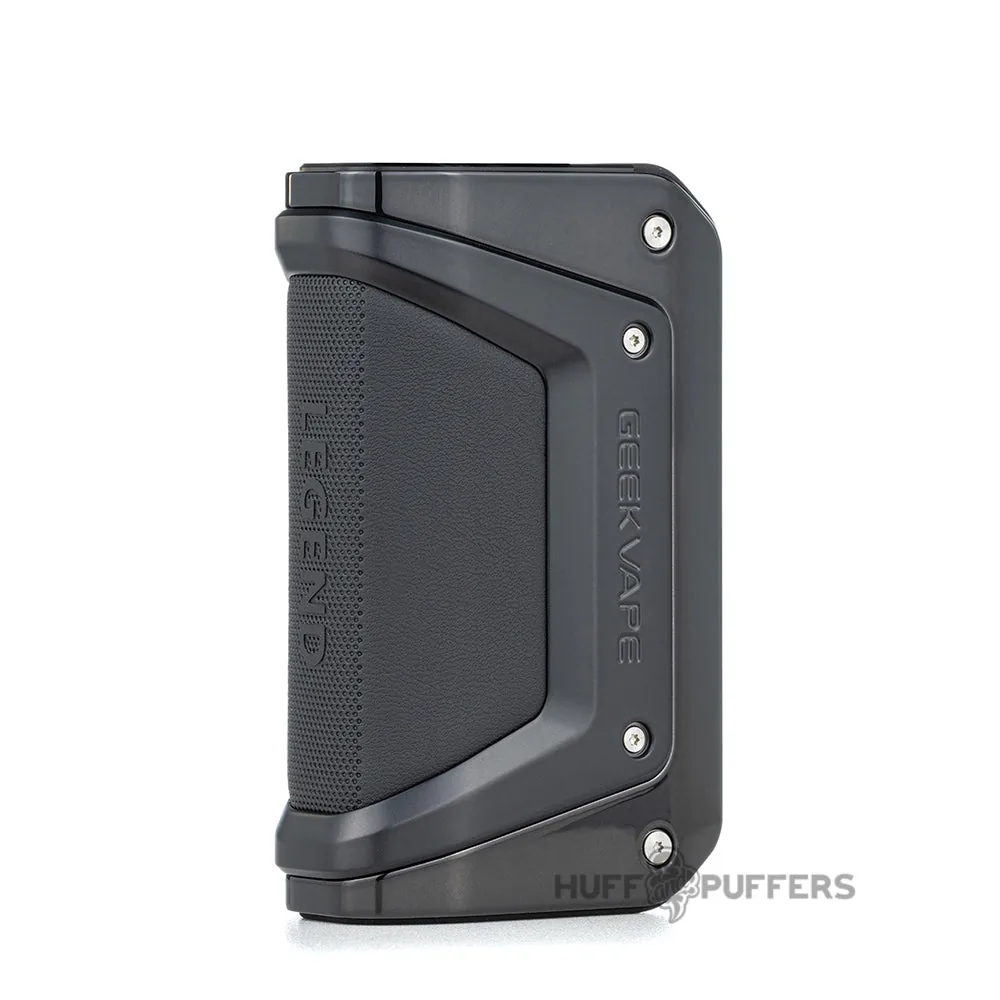 Geekvape Aegis Legend. Source: Geekvape.
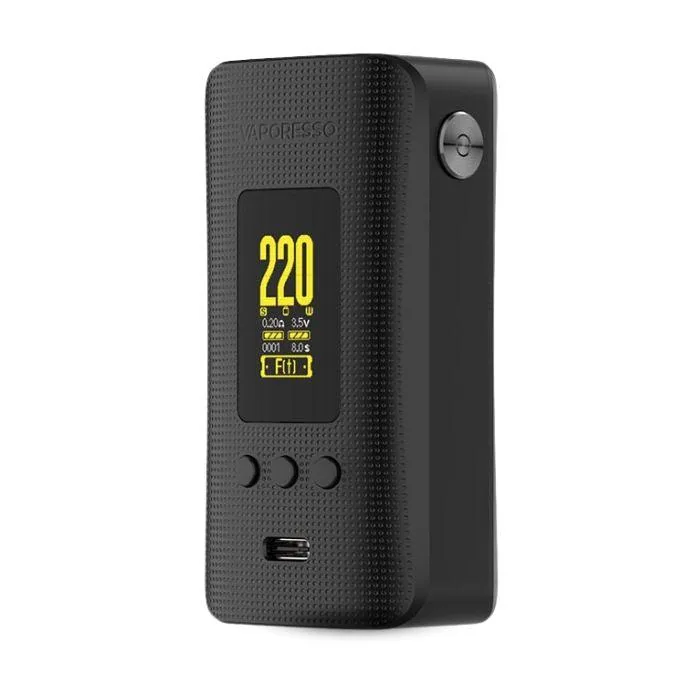 Vaporesso Gen. Source: Vaporesso.
Neither is a recommendation here. They are simply the reference points a British reader is most likely to encounter when comparing devices, and useful benchmarks for what a mainstream dual cell chassis offers.
Matching a box mod to how you actually vape
Three profiles cover most readers. Someone chasing volume regularly wants a dual cell chassis with real headroom and a rugged build, because the device will be worked hard and carried everywhere. Runtime and durability decide it, not the ceiling figure.
An everyday sub-ohm vaper is better served by a dual cell device in the mainstream of the range. It gives a full day of use on a factory mesh coil without turning into a brick, and it leaves room to experiment with settings later.
Someone who wants the smallest possible device accepts a single cell chassis and a shorter day, or moves to an integrated battery model and gives up the spare pair entirely. That is a legitimate choice as long as it is made knowingly.
Whatever the profile, the device only delivers what your settings ask of it, and finding those settings is a method rather than a number. Our walkthrough of wattage and airflow settings sets out how to work up to them without guessing.
Frequently asked questions
Is a dual cell device better than a single cell one for clouds?
For sustained direct lung vaping, generally yes. It spreads the demand across two cells and lasts considerably longer, which matters more day to day than any difference in maximum output.
Does a more powerful device drain cells faster?
Not by itself. Draw is set by the output you actually use and the resistance you run, not by the ceiling on the chassis. A device left at a modest setting draws no more for being capable of more.
Should I look for a water resistant chassis?
If the device travels with you outdoors, an ingress rating and a robust frame are a genuine durability gain. For a device that stays indoors it is largely irrelevant.
Regulated or mechanical for a first sub-ohm setup?
Regulated, without hesitation. The electronics handle short circuit and resistance checks that a mechanical tube leaves entirely to the user, and those checks are the whole safety margin.
Do integrated battery devices avoid battery safety issues?
They remove the handling risks of loose cells, which is a real benefit. They do not remove the need for sensible charging habits, and they cannot be refreshed with a new pair once the internal cell ages.
What to settle before you buy
Work backwards from the atomiser and the way you vape, not forwards from the specification sheet. Decide the format first, since single cell, dual cell and integrated devices lead to genuinely different daily experiences. Then weigh runtime, then handling, and treat the headline output as the last tiebreaker rather than the first filter.
If the device takes removable cells, the habits around them are part of the purchase. Cells run as a matched pair of the same reference and the same age, wraps stay intact and are replaced rather than taped when damaged, transport happens in a rigid case, and charging happens on an external charger designed for the format. When you want to judge whether a configuration is reasonable, you read the continuous discharge rating on the cell maker’s own datasheet, not the figure printed on the wrap.
The best box mod is the one that matches your build and your rhythm, not the loudest number on the shelf. Aim for coherence between output, runtime and comfort, keep the cells inside their published limits, and a mainstream dual cell box mod will outlast several atomisers without ever being pushed near its ceiling.
Editorial content for adult readers only. Vaping products usually contain nicotine, a substance that causes addiction. Not for sale to under-18s in the United Kingdom. This article is not a buying recommendation.